
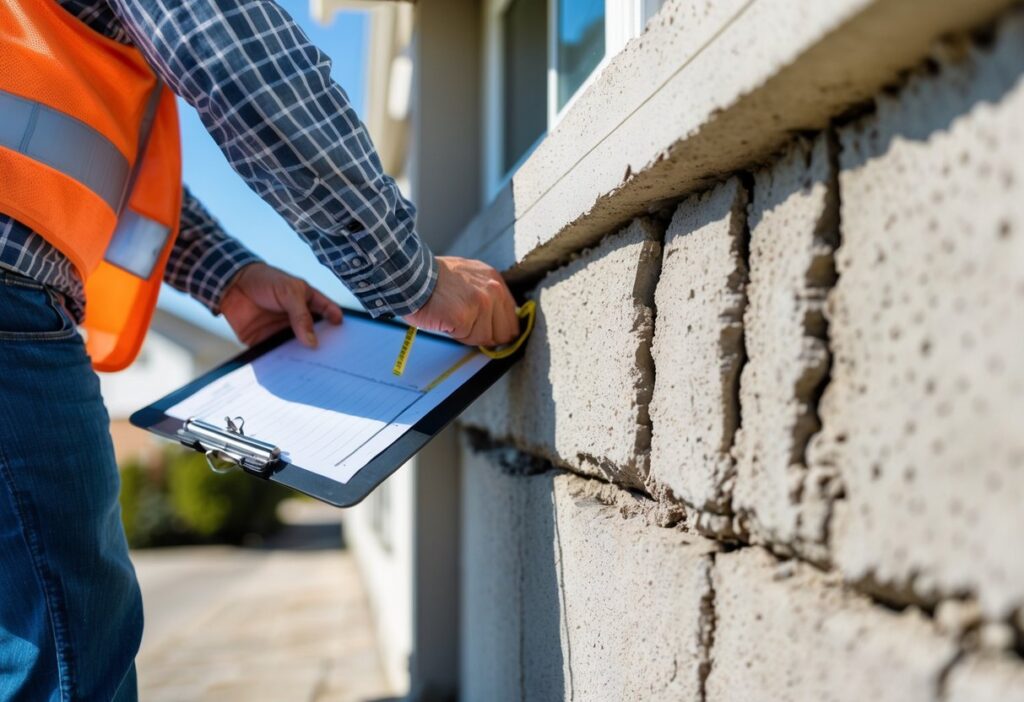
You might see a hairline crack and worry it means the house will fall apart. Most cracks are caused by normal settling, temperature changes or moisture and stay cosmetic, but some grow, shift or let water in — and those are the ones that signal structural trouble.
If a crack gets wider over time, is wider than about 3 mm (1/8 inch), runs diagonally or accompanies doors and windows that stick or floors that slope, it is likely structural and needs a professional inspection.

Check cracks often and note any change in size, direction or water seepage. Small, stable surface cracks usually need simple patching, while widening or angled cracks usually need further assessment and repair.
Key Takeaways
- Watch for cracks that grow, are diagonal, or let water in.
- Small, stable surface cracks are usually cosmetic.
- Get a professional assessment for widening or structural-pattern cracks.
Recognizing Foundation Cracks That May Be Structural

You will learn how to spot cracks that need action. Learn which signs mean urgent help and how crack patterns differ by foundation type.
Difference Between Structural and Non-Structural Cracks
Structural cracks affect the load-bearing parts of your home and can change how the building sits or carries weight. Non-structural cracks only affect finishes or minor parts of the foundation and usually do not change the building’s stability.
Look at width, direction and movement. Cracks wider than 6 mm (about 1/4 inch), horizontal cracks, or those that grow over weeks are more likely structural.
Hairline vertical cracks under 3 mm are often non-structural, especially if they do not change size over time. Also check for offset or steps in block walls—one side higher than the other points to load transfer problems, not just shrinkage.
Indicators of Structural Damage
Check for door and window problems. Doors or windows that suddenly stick, jam, or show new gaps often mean the frame is shifting.
Interior signs include large diagonal cracks at drywall corners, sloping floors, or longer cracks that start at the foundation and continue up the wall. Measure crack width over weeks to see if it grows.
Water pooling next to the foundation or repeated wet-dry cycles can accelerate settlement and create structural cracks. If you see multiple signs—wider cracks, movement, and stuck doors—get a structural engineer to inspect.
Immediate repair may be needed to stop further damage.
Warning Signs in Different Types of Foundations
For poured concrete foundations, horizontal cracks or heaving indicate soil pressure or frost issues and are more serious than small vertical shrinkage cracks. In concrete block foundations, look for step cracks that follow mortar joints—those often show settlement or wall rotation and can compromise load paths.
Slab-on-grade foundations show different signs: wide cracks that separate slab sections or doorways that shift indicate slab settlement. Wood or crawlspace foundations may reveal bowed sill plates, separated joists, or failing support posts.
Any vertical movement or rotation in these elements suggests structural concern.
Common Types of Foundation Cracks
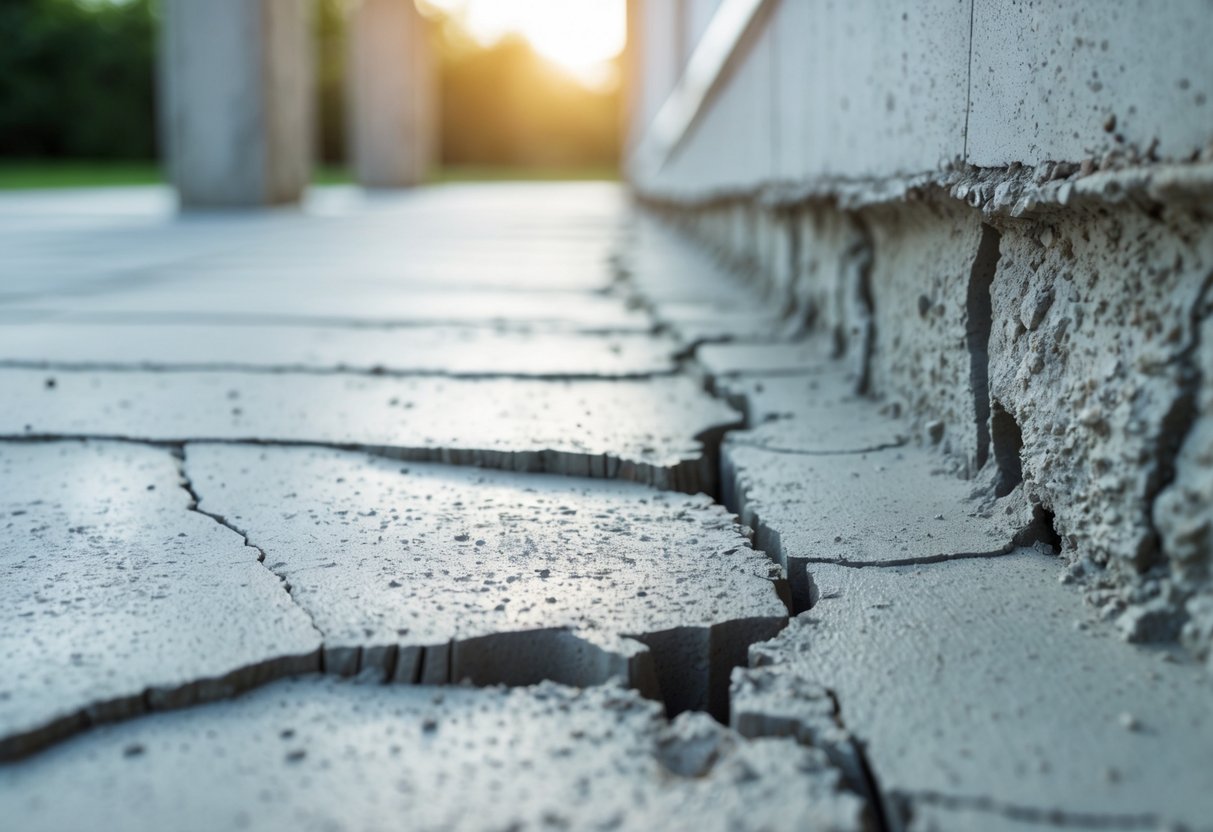
You will see a few common crack patterns that tell you about cause and risk. Look at crack direction, width, location, and whether the crack is changing over time to decide if you need a professional.
Vertical Cracks
Vertical cracks run up and down and are usually the least serious. They often appear in concrete walls or slab edges from normal settling or shrinkage as the concrete cures.
Small vertical cracks under 3 mm (about 1/8 inch) are usually cosmetic. If a vertical crack is wider than 3 mm, shows displacement (one side higher than the other), or runs through a wall tie or column, you should monitor it.
Vertical cracks that allow water entry, connect to other crack patterns, or grow over months can indicate movement needing repair. Measure width and mark the date to track change.
Photos taken monthly help you see active movement.
Horizontal Cracks
Horizontal cracks run parallel to the ground and often indicate pressure from outside the soil. They commonly appear in basement or retaining walls where wet, heavy clay or poor drainage pushes inward.
These cracks can start as hairlines and widen, showing bulging or bowing of the wall. Horizontal cracks wider than 3 mm, continuous across long wall sections, or accompanied by wall rotation are signs of structural stress.
If you see rusted wall anchors, floor separation, or doors and windows sticking near a horizontal crack, call a structural engineer. Do not ignore water seeping through horizontal cracks; that adds pressure and speeds damage.
Stair-Step Cracks
Stair-step cracks follow mortar joints in brick, block, or concrete masonry and form a stepped pattern. They often show on foundation walls and exterior chimneys.
These cracks can result from differential settlement where one part of the foundation sinks more than another. Small, shallow stair-step cracks may be cosmetic.
But if the steps are wide, widening over time, or accompanied by vertical or horizontal movement, they point to uneven foundation support. Check for cracks on both interior and exterior walls, and watch for doors that fail to close or floors that slope toward the cracks.
An engineer can determine if underpinning or soil work is needed.
Diagonal Cracks
Diagonal cracks slant across walls or floors and often link to differential movement and tilting. They can start near corners of windows, doors, or at points where different foundation sections meet.
The angle and width give clues: shallow, narrow diagonal cracks often come from shrinkage; steeper, wider ones suggest settlement. If a diagonal crack exceeds 3 mm, shows horizontal offset, or is paired with other cracks and sticking doors, it may be structural.
Mark and measure diagonal cracks across several months. Persistent growth or new nearby cracks means you should get a professional inspection.
Factors That Contribute to Structural Foundation Cracks
You should know the main causes so you can spot real danger. Key drivers include ground movement, how the foundation was built, and how water is managed around your home.
Soil Movement and Settlement
Soil under your foundation can shift, compress, or expand. Clay soils swell when wet and shrink when dry, which can lift or drop parts of a foundation.
If one side of your foundation moves more than the other, you may see diagonal or stair-step cracks in block walls and uneven floors. Poorly compacted fill or a change in nearby landscaping can speed up settlement.
You might notice doors that stick, gaps at window frames, or cracks that grow over months. Small hairline cracks that don’t change are less urgent, but widening cracks, cracks wider than 3 mm (about 1/8 inch), or ones that appear after new digging nearby suggest active movement and need inspection.
Poor Construction Practices
Construction shortcuts can leave foundations weak from the start. Problems include inadequate reinforcement, thin footing, insufficient footing depth for local frost, or poor concrete mix.
These flaws can cause the slab or wall to crack under normal loads. Watch for cracks aligned with seams, joints, or where different materials meet.
These often point to design or workmanship issues rather than later soil changes. If your home is older or built quickly, check building records for proper permit work and foundation design.
A structural engineer can confirm whether cracks reflect original defects or subsequent damage.
Water Damage and Drainage Issues
Water exerts pressure, erodes soil, and promotes freeze-thaw cycles — all harmful for foundations. Poor gutters, downspouts that dump near the foundation, and missing perimeter drains can direct water to foundation walls and cause hydrostatic pressure.
That pressure can push walls inward and produce horizontal or stepped cracks. Look for damp basements, efflorescence (white mineral streaks), or mud around foundation joints.
Soggy soil next to the foundation after rain is another sign. Fix grading so water flows away, extend downspouts at least 1.5 metres, and consider installing or repairing perimeter drains to reduce risk.
Assessment Techniques for Structural Foundation Cracks
You will inspect cracks, measure changes, and know when to get expert help. Focus on crack pattern, width, movement over time, and any effects on doors, floors or walls.
Visual Inspection Best Practices
Start with a thorough walk-around inside and outside the foundation. Look for crack direction (vertical, horizontal, diagonal), length, and width.
Measure width with a ruler or crack gauge; note anything wider than 3 mm (about 1/8 inch) as a concern. Check for other signs of foundation stress: bowing walls, sticking doors or windows, uneven floors, and mortar separation.
Use a flashlight and magnifier to see hairline or stepped cracks in blockwork. Photograph each crack with a date and include a ruler in the photo for scale.
Record the location precisely — which wall, how far from corners, and whether the crack crosses joints. Label photos and notes so you can compare later.
Do the inspection after dry and wet weather to spot moisture-related issues.
Measuring and Monitoring Crack Growth
Use a simple crack gauge, ruler, or tape to measure width and length at fixed points. Mark the ends with permanent ink or numbered tags so you measure the exact same spot every time.
Take photos from the same angle and distance. Track changes on a schedule: weekly for active leaks or moving cracks, monthly for less active ones.
Log date, measurement, and weather conditions. Small changes (less than 1 mm over months) usually mean slow movement; increases of several millimetres in weeks suggest active structural movement.
For stepped or horizontal cracks, measure both depth and offset. Use a level to check wall tilt or floor slope.
If you detect water entry, measure moisture with a meter and note whether wetting follows heavy rain or appears constant.
When to Call a Structural Engineer
Call an engineer if cracks are horizontal, wider than 6 mm, show rapid growth, or cause doors and windows to bind. Also call if walls bulge or floors settle noticeably.
These signs often mean load-bearing elements are compromised. Bring your measurements, dated photos, and notes on movement and moisture to the inspection.
An engineer will perform deeper tests: structural calculations, probe for hidden damage, and may use thermal imaging or moisture meters. Expect a clear written report with safety recommendations and repair options.
Addressing and Repairing Structural Foundation Cracks
You will learn practical repair choices, steps to prevent recurrence, and what repairs typically cost and include in warranties. Follow clear actions so you can choose the right fix and avoid repeated damage.
Repair Methods Based on Crack Type
Vertical hairline cracks often need simple sealing. Contractors use epoxy or polyurethane injection to stop water and bond concrete.
This is quick and usually done when walls are stable. Stair-step or diagonal cracks in block walls signal settlement.
You may need wall anchors, helical tiebacks, or steel I-beams to stabilise the wall. These methods transfer load to stable soil and stop inward movement.
Wide horizontal cracks or bowing walls need stronger fixes. Common repairs include installing steel reinforcement, carbon-fibre straps, or external tiebacks and underpinning of the footing.
Underpinning (pier systems) lifts and supports the foundation when settlement is active. Ask for a written scope showing method, materials, and expected movement limits.
Insist on photos and monitoring plan so you can track future change.
Preventive Measures to Avoid Future Cracks
Control water around your foundation first. Keep gutters clean, extend downspouts 1.5–3 m away, and slope soil so it drains away from the house.
Maintain consistent moisture under slabs and near footings. Use soaker hoses in dry spells, avoid large trees near the foundation, and repair leaking plumbing promptly.
Improve drainage and waterproofing where needed. Exterior membrane, drainage board, and a functional perimeter drain reduce soil pressure on walls.
Regularly inspect for new cracks, sticking doors, or uneven floors. Early detection helps prevent bigger issues.
Understanding Repair Costs and Warranty
Get at least three written quotes that break down labour, materials, permits, and monitoring. Simple epoxy injections often cost a few hundred to a couple thousand dollars.
Structural fixes like piers, anchors, or underpinnings range from several thousand to tens of thousands depending on access and soil conditions. Ask contractors about warranty scope and length.
Common warranties cover workmanship for 1–5 years and materials for longer. Some pier systems come with lifetime transferable warranties.
Make sure the warranty is in writing and describes what triggers service and who pays for monitoring.
Frequently Asked Questions
You’ll find clear signs to watch for, when to call a pro, and how experts test and measure cracks. The answers cover how big, shaped, or tilted cracks matter and which specialists can give a reliable assessment.