
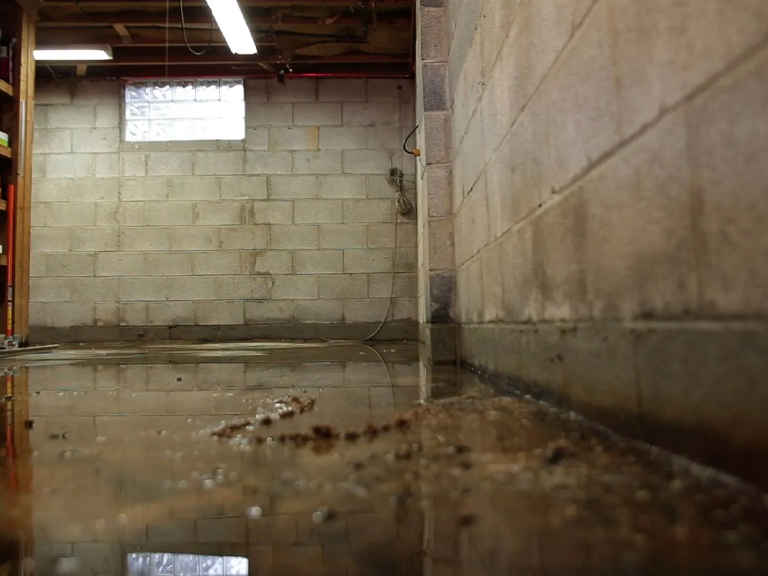
Spring thaw in Toronto can turn your basement into a risk zone fast. Melting snow, heavy spring rains, and saturated soil push water toward foundations and into homes.
Act now by walking your property for signs of poor drainage, clearing gutters and downspouts, and testing sump pumps and backflow valves. Small, practical fixes now save you money, stress, and hours of cleanup later.
Key Takeaways
- Inspect and fix drainage issues around your home to keep water away from the foundation.
- Do basic maintenance on gutters, downspouts, and sump systems to reduce flood risk.
- Have simple emergency steps ready so you can act quickly if water appears.
Understanding Basement Flood Risks in Toronto
You face higher flood risk during spring because melting snow, heavy rain and poor drainage can all act at once. Your house, yard and local sewer system combine to determine how likely water will enter the basement.
Spring Thaw Weather Patterns
Spring in Toronto brings rapid snowmelt and frequent warm rainstorms. When daytime temperatures rise above 0°C and several centimetres of snow melt quickly, that water must go somewhere.
If a warm rain falls on top of melting snow, runoff volumes jump and soil soaks up less water. Storms can also overload the municipal storm and sanitary sewers.
During intense rain, sewers near ravines, low-lying streets or older sewer mains can surcharge and push water back into basement drains. Watch weather alerts for rainfall amounts and melt advisories; a few centimetres of rain over a 24‑hour melt can be the tipping point.
Local Soil and Drainage Factors
Your yard’s soil type affects how fast water soaks in. Clay soils common in parts of Toronto drain slowly, so water pools near foundations.
Compacted soil from heavy foot traffic or construction further reduces infiltration. Grading that slopes toward your house will direct meltwater to the foundation instead of away from it.
Gutters, downspouts and catchbasins also matter. A blocked downspout or crushed pipe can dump water beside the foundation.
If your property drains onto a neighbour’s yard or into a municipal catchbasin that often clogs, your risk rises. Consider installing or repairing eavestroughs, extending downspouts at least 1.2–2 metres from the foundation, and keeping yard drains clear.
Age and Construction of Toronto Homes
Older Toronto homes often have combined sewer connections, shallow foundations, or no perimeter drain. These features increase the chance of basement flooding during heavy melt or storm events.
Homes built before modern waterproofing standards may lack membrane protection or have cracked parging and old weeping tiles. Even newer homes can flood if sump pumps fail or are undersized.
Check if your basement has a working sump pump with a battery backup and a sealed check valve. If your home is in a flood-prone neighbourhood or listed in municipal flood maps, consider upgrading perimeter drains, repairing foundation cracks, and confirming your sewer connection type with the city.
Inspection and Maintenance Essentials
You will focus on the most important checks that stop water at the source: foundation condition, sump pump reliability, and how your roof drainage directs meltwater away from the house. Do these checks now and again after heavy thaw or rain.
Assessing Foundation Integrity
Walk the perimeter and look for cracks wider than 3 mm or gaps where mortar is missing. Small hairline cracks can be sealed with masonry caulk; larger or shifting cracks need a foundation pro.
Check the exterior grade. Soil should slope away from the foundation at least 75 mm over the first 1 metre.
Add soil where it’s low, not topsoil that won’t compact well. Inspect the interior walls for new damp spots, bulging, or salt stains (efflorescence).
Take photos and measure the size and location of any issues so you can track changes over weeks. If you find signs of movement, persistent damp, or mould, call a structural or waterproofing contractor for a detailed assessment and repair plan.
Checking Sump Pumps and Backup Systems
Test your sump pump by pouring a bucket of water into the pit until the float rises. The pump should start and discharge water through the outflow pipe right away.
Do this monthly during thaw. Clean the pump intake and remove debris from the pit.
Replace worn float switches and check the discharge pipe for clogs, frozen sections or loose joints. Ensure the pipe outlets at least 3 metres from the foundation.
Install a battery backup or water-powered backup if you don’t already have one. Test backup power during a power outage drill to confirm the pump runs for several hours.
Keep a spare pump and basic tools accessible. Label the breaker and make sure the pump has a dedicated GFCI-protected circuit.
Clearing Eavestroughs and Downspouts
Remove leaves, ice, and debris from eavestroughs so water flows freely. Use a ladder stabilizer and gloves; clear troughs in late fall and again in early spring before heavy melt.
Check downspout connections and look for leaks at elbows. Extend downspouts with rigid piping so water discharges at least 3 metres from the foundation or into a proper storm drain.
Install or repair splash pads or buried extensions to prevent erosion near the foundation. Fit mesh guards or leaf filters to reduce clogging, but still inspect filters regularly.
After clearing, run a hose into the eavestrough to confirm water flows away from the house and does not pool near the foundation.
Effective Waterproofing Strategies
Interior and exterior approaches work together to stop water at its source. Focus on blocking water entry, moving water away from your foundation, and protecting common weak spots like window wells.
Interior Waterproofing Solutions
Install a sump pump with a battery backup and test it monthly to ensure it works during power outages. Place the pit under the lowest floor level; use a sealed cover to reduce moisture and radon entry.
Fit an interior perimeter drain (weeping tile) if you have recurring seepage. This system collects water at the footing level and directs it to the sump pump.
Use rigid PVC or perforated pipe wrapped in sock fabric and backfill with clean gravel. Seal visible foundation cracks with hydraulic cement for small active leaks.
For larger or structural cracks, hire a foundation contractor to assess and install interior epoxy or polyurethane injections. Maintain your basement dehumidifier to keep relative humidity below 60%.
Exterior Wall Sealing Methods
Excavate around the foundation to expose the wall down to the footing when you have repeated water problems. Clean the wall surface and apply a high-quality bituminous membrane or liquid-applied waterproofing to create a continuous barrier.
Repair and seal foundation cracks from the outside with polyurethane or cementitious sealants designed for below-grade use. Install insulation boards or protection boards over the membrane to prevent damage during backfill.
Ensure your exterior drainage includes a footing drain (externally connected weeping tile) that routes water to a daylight outlet or sump. Backfill with free-draining gravel and compact in layers to avoid settling.
Proper Window Well Protection
Install window well covers made of clear polycarbonate to keep snow and rain out while allowing light in. Ensure covers slope away from the house and sit flush to the wall to prevent water pooling.
Fit drainage at the bottom of the well: a pipe connected to your foundation drain or a gravel-packed well with a drain tile. Keep soil and landscaping at least 5–10 cm (2–4 in) below the window sill to prevent direct runoff against the wall.
Maintain wells by clearing leaves, ice, and debris each season. Replace rusted or damaged wells promptly and check for corrosion or gaps where water can bypass the seal.
Drainage Improvements for Flood Prevention
Focus on moving water away from your foundation and stopping sewer backflow. Small changes to grading, downspouts, and one-way sewer devices can cut your flood risk during spring thaw.
Land Grading Around Foundations
Make sure the soil slopes away from your foundation at least 10 cm over the first metre. Use compacted soil or granular fill to create a consistent slope so surface water runs toward streets or swales, not into your yard.
Clear soil and debris from the area next to your foundation. Do not pile soil against the basement wall; keep window wells free of snow and leaves so water can’t pool there.
Add a shallow swale or buried French drain if water still collects near the house. A French drain uses perforated pipe in gravel to carry water to a storm drain or daylight.
Hire a landscaper or contractor if the job needs deep excavation or when you must tie into municipal drains.
Installing Backwater Valves
A backwater valve stops sewer water from flowing into your basement when combined sewers overflow. You can choose a mechanical flap valve or an automatic valve that seals under pressure; both must fit the size of your building drain.
Install the valve in the main sanitary line between your house and the municipal connection. A licensed plumber must cut the pipe, fit the valve, and leave an accessible cleanout for maintenance and inspection.
Test and maintain the valve yearly, and after heavy rain. Remove debris, check seals, and replace worn parts.
Some municipalities offer subsidies or rules on valve type and installation — contact Toronto’s Basement Flooding Protection Program or your local plumber for requirements.
Emergency Preparedness and Response
Keep key contacts, tools, and quick actions ready so you can act fast when thawing starts or a rapid melt raises water levels. Prioritise life safety, protect valuables, and stop water at entry points.
Developing a Flood Preparedness Plan
Create a short, written plan you can reach from your phone or a printed copy in a waterproof pouch. List emergency contacts: local emergency services, your insurance company, a trusted contractor who does basement waterproofing, and a neighbour who can check your home.
Include your address, valve and breaker locations, and the location of the main water shutoff. Assemble a flood kit in an easy-to-grab container.
Include a battery backup for your sump pump or a portable pump, heavy-duty garbage bags, towels, a flashlight with extra batteries, a wrench, rubber boots, and a first-aid kit. Photograph valuables and the basement layout for claims.
Schedule regular checks from late February through April. Test the sump pump and battery backup monthly, clear gutters and downspouts, and confirm grading directs water away from your foundation.
Share the plan with household members so everyone knows roles and meeting spots.
Steps to Take During Sudden Melts
Act quickly when you see rapid snowmelt or heavy rain. Move important documents, electronics, and irreplaceable items to upper floors or onto shelves at least 30 cm off the floor.
Turn off electrical circuits for the basement if water is rising near outlets; use the breaker panel and avoid standing in water when touching switches.
Start temporary water control measures immediately. Fit sandbags or sheet-foam barriers at door thresholds and low windows.
Direct runoff from downspouts away from the house using extension hoses or earthen berms. If your sump pump fails and water rises fast, call a waterproofing contractor and, if needed, a restoration company for water removal.
Document damage with photos and notes as soon as it is safe. Contact your insurer within 24–48 hours to report the event and follow their guidance for claims.
Keep receipts for any emergency purchases or repairs you make for reimbursement.
Frequently Asked Questions
These answers focus on practical steps you can take now to reduce spring thaw flood risk. They cover landscaping, sump pumps, downspouts, basement windows, backwater valves, and weeping tiles with clear, actionable advice.
How can proper landscaping around my home prevent basement flooding in the spring?
Grade the soil so the ground slopes away from your foundation by at least 2% (about 2.5 cm drop per metre) for the first 1–2 metres. This directs meltwater away and reduces pressure on foundation walls.
Use swales or shallow ditches to channel runoff to drains or low points on your lot. Avoid building patios, steps, or flowerbeds that trap water against the house.
Plant deep-rooted trees and shrubs away from the foundation to help absorb excess moisture. Keep topsoil and mulch from touching the foundation; maintain a clear gap of 10–15 cm.
What are the recommended sump pump maintenance tips to avoid flooding during the spring thaw?
Test your sump pump before the thaw by filling the pit with water until the pump switches on. Ensure the pump actually discharges water away from the foundation.
Clean the pit and remove debris, mud, and gravel that can clog the pump or float switch. Check the float switch moves freely.
Install a battery backup or a second pump if power outages are possible during storms. Confirm the discharge pipe is clear, has a check valve, and directs water at least 2–3 metres from the foundation.
Are there any specific downspout extensions or configurations that help reduce the risk of basement flooding?
Extend downspouts so they discharge at least 2–3 metres from the foundation and onto grade sloped away from the house. Rigid extensions or buried discharge lines work better than short splash blocks.
Use elbows and clamps to keep extensions secure and prevent them from pulling away in heavy flow. Avoid directing water toward neighbouring properties.
Consider connecting downspouts to a rain barrel, dry well, or storm sewer where allowed. Include an overflow path in case storage capacity is exceeded.
What steps should I take to ensure my basement windows are properly sealed against potential spring meltwater intrusion?
Inspect window wells for debris and standing water; clean them and install a covered grate or clear acrylic well cover. Covers stop direct meltwater and debris from collecting.
Check the window frame and sill for cracks and gaps; apply a quality exterior-grade sealant where you find leaks. Replace damaged or rotted frames.
Install perimeter drainage behind window wells if water pools consistently. Consider window well drains tied into your weeping tile or sump system.
Can the installation of a backwater valve help in managing basement flood risks during the spring thaw, and how does it work?
A backwater valve prevents sewage and stormwater from flowing back into your basement when municipal sewers surcharge. It contains a flap or gate that closes under reverse flow.
Hire a licensed plumber to size and install the valve on the building sewer. Improper installation can create other problems or void warranties.
Check and service the valve annually, and keep access clear for inspection. Consider models with a removable cartridge for easier cleaning.
What are the best practices for checking and maintaining weeping tiles to prevent springtime basement flooding?
Have a plumber or waterproofing contractor inspect the weeping tile (perimeter drain) for blockages or collapse, especially if you notice persistent damp spots. They can camera-inspect the line.
Ensure downspouts and surface drains do not overload the weeping tile. Redirect surface water away where possible.
Repair damaged foundation drainage and regrade as needed.
If your weeping tile ties into the municipal system, confirm the connection is in good condition. Check that backflow protection is present if required by local rules.